
 By
By 
A maintenance-aware ranking based on mechanical simplicity, fuel use, tire costs, included service, warranty coverage, and purchase price
| Rank | 2026 model | Starting price | Ownership-cost outlook | Best reason to choose it |
| 1 | Acura Integra | $34,695 | Low for a premium car | Efficient Honda-based mechanicals and practical hatchback |
| 2 | Lexus IS | $46,895 | Low to moderate | Naturally aspirated V6 and strong long-term simplicity |
| 3 | Genesis G70 | $44,845 | Low during first years | Three years of complimentary scheduled maintenance |
| 4 | Mini Cooper | $26,675 | Moderate | Lowest purchase price and strong fuel economy |
| 5 | Cadillac CT4 | $37,795 | Moderate | Simple base engine and competitive entry price |
| 6 | Audi A3 | $41,395 | Moderate | Efficient compact platform and strong standard equipment |
| 7 | BMW 2-Series Gran Coupe | $41,350 | Moderate to high | Good efficiency but premium service and tire costs |
| 8 | Mercedes-Benz CLA | $44,100 | Moderate to high | Efficient new platform with expensive premium components |
| Best overall value
The Acura Integra is the strongest all-around choice for buyers who want a premium badge without premium-size maintenance bills. The Lexus IS is the better long-term choice for shoppers who prefer a conventional naturally aspirated engine and plan to keep the car well beyond the warranty. |
Cheapest luxury cars to maintain are not always the luxury cars with the lowest sticker prices. A low-priced vehicle can still become expensive when it requires premium fuel, oversized tires, frequent brake replacement, complicated suspension repairs, or dealer-only electronic work. The best ownership values combine an affordable purchase price with proven mechanicals, reasonable consumables, and useful warranty or maintenance coverage.
The ranking below starts with the current affordable-luxury field, then adjusts the order for likely ownership burden rather than MSRP alone. It is an editorial guide, not a guaranteed repair-cost forecast. Individual maintenance depends on mileage, climate, labor rates, driving style, wheel size, accident history, and how long the car is kept.
How This Maintenance Ranking Was Built
The supplied Car and Driver affordable luxury-car ranking orders current models mainly by starting MSRP and rates them for performance, comfort, efficiency, practicality, value, and driving enjoyment. This guide uses that affordable group but adds maintenance-related factors that matter after the purchase.
| Cost factor | Why it matters | Lower-cost signal |
| Engine and drivetrain | Turbochargers, AWD hardware, and high-output tuning can add complexity | Simple engine, FWD, moderate output |
| Fuel | Premium fuel raises every-mile cost | Regular fuel or strong mpg |
| Wheels and tires | Large wheels use expensive low-profile tires | Smaller standard wheels |
| Brakes | Performance packages wear costly brakes faster | Conventional brakes and lighter weight |
| Included maintenance | Reduces early scheduled-service spending | One to three years of covered service |
| Warranty | Limits exposure to covered defects | Long basic and powertrain coverage |
| Dealer and parts access | Labor and parts availability affect repair bills | Shared high-volume platform |
1. Acura Integra: Best Overall Maintenance Value
The Integra is the easiest recommendation because it shares core architecture and powertrain knowledge with high-volume Honda products. The standard 1.5-liter turbo engine, front-wheel drive, practical liftback body, and strong fuel economy make it less intimidating to own than many European alternatives.
Acura lists a one-year or 12,000-mile maintenance program for the 2026 Integra. That coverage is shorter than Genesis provides, but the car’s mainstream mechanical foundation and broad service network support a favorable long-term outlook. Avoid the Type S when low upkeep is the priority because its larger tires, performance brakes, and higher-output engine increase consumable costs.
2. Lexus IS: Best for Long-Term Ownership
The Lexus IS costs more to buy and uses more fuel than the Integra, but its naturally aspirated 3.5-liter V6 avoids the turbocharger hardware found in many rivals. Rear-wheel-drive versions use an eight-speed automatic, while AWD versions use a six-speed automatic. The platform is mature rather than cutting edge, which can be an advantage for a long-term owner.
Lexus includes the first two scheduled maintenance visits. The main ownership penalty is fuel use, plus the cost of 19-inch tires on sport trims. A lightly optioned rear-wheel-drive version with conventional tires is a better maintenance-value choice than a heavily equipped AWD example.
3. Genesis G70: Best Included Maintenance Package
Genesis makes the G70 attractive during the first ownership years by including scheduled maintenance for three years or 36,000 miles. The brand also provides a five-year or 60,000-mile new-vehicle limited warranty and roadside benefits, reducing early uncertainty.
Genesis describes its complimentary scheduled maintenance program as covering routine interval service for three years or 36,000 miles. Buyers should still budget for tires, brakes, fuel, insurance, and items outside the maintenance schedule.
The G70 ranks below the Lexus because its turbocharged engines, available AWD, heavier weight, and sport-sedan tires can create higher costs after complimentary coverage ends. It is strongest for buyers who trade every three to five years.
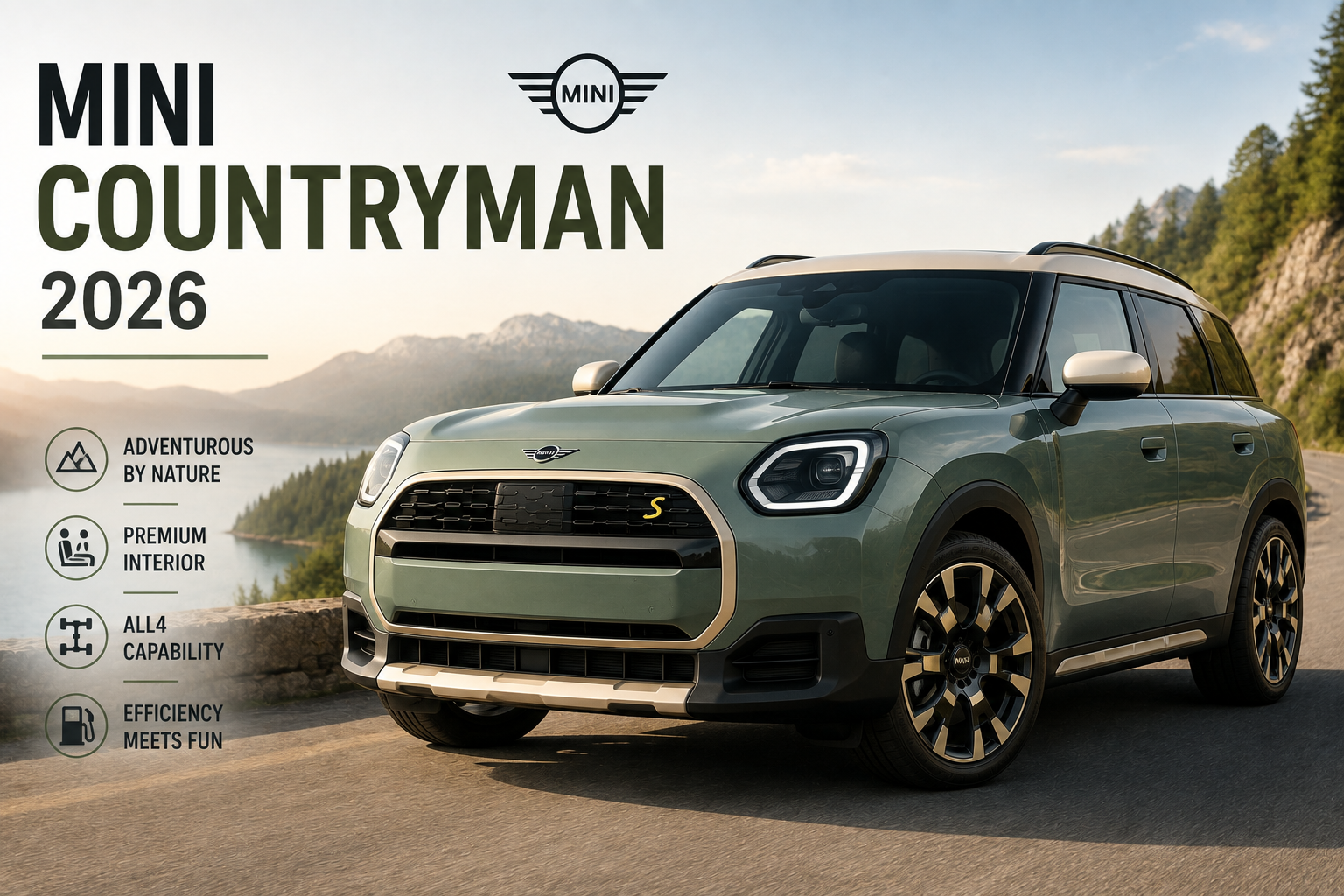
4. Mini Cooper: Lowest Purchase Price, Mixed Long-Term Outlook
The Mini Cooper starts well below the rest of the affordable luxury field and returns 30 to 32 mpg combined in current ratings. Its compact dimensions also mean smaller fluid capacities and less vehicle mass.
However, a low MSRP does not automatically create the lowest repair cost. Mini uses BMW Group electronics and turbocharged powertrains, and option-heavy cars can wear expensive wheels and tires. The base Cooper on smaller wheels is the maintenance-conscious choice. The JCW and convertible versions are less suitable for this ranking.
5. Cadillac CT4: Affordable Entry Price With Simple Base Hardware
The base CT4 combines a competitive price with a turbocharged four-cylinder and rear-wheel drive. Its domestic dealer network may help with service access, and the standard model avoids the extreme tire, brake, and suspension costs of the CT4-V Blackwing.
The disadvantages are lower fuel economy than the Integra and a smaller production footprint than mainstream sedans. AWD, larger wheels, and performance packages raise the ownership budget. A base Luxury or modest Premium Luxury configuration is the sensible maintenance choice.
6. Audi A3: Efficient but More Dependent on Premium Service
The Audi A3 uses a compact, efficient platform and earns a strong Car and Driver score. Its size helps control tire and brake expenses compared with larger luxury sedans.
Long-term costs can still be higher than the Acura or Lexus because of turbocharged hardware, sophisticated electronics, premium-brand labor rates, and scheduled service requirements. Buying one with complete records and avoiding oversized wheel packages is important.
7. BMW 2-Series Gran Coupe and 8. Mercedes-Benz CLA
The BMW 2-Series Gran Coupe and Mercedes-Benz CLA offer strong efficiency, modern technology, and relatively low starting prices. Both can be affordable during warranty coverage, especially when leased or kept for a short period.
They move down the list because premium labor, electronic systems, turbocharged engines, large optional wheels, and expensive collision components can raise long-term bills. Buyers focused on maintenance should select base powertrains, smaller wheels, and minimal appearance packages.
Maintenance-Cost Tiers by Buyer Type
| Buyer priority | Best choice | Why |
| Lowest total burden | Acura Integra | Efficient, practical, and based on high-volume mechanicals |
| Keep for 10 years | Lexus IS | Mature platform and naturally aspirated V6 |
| Lowest first-three-year service cost | Genesis G70 | Long complimentary maintenance period |
| Lowest purchase price | Mini Cooper | Starts below $27,000 |
| Rear-wheel-drive luxury feel | Cadillac CT4 | Affordable traditional sport-sedan layout |
| European technology | Audi A3 | Strong efficiency in a compact package |
How to Keep a Luxury Car Affordable
- Choose the smallest factory wheel that meets your needs.
- Avoid performance packages when you will not use the upgraded brakes or tires.
- Check whether the engine requires premium fuel or merely recommends it.
- Follow the correct service schedule rather than dealer-added maintenance menus.
- Keep records and address small leaks, warning lights, and tire wear early.
- Obtain insurance quotes before buying because luxury collision parts can raise premiums.
- Consider certified pre-owned coverage when buying a complex European model.
| The cheapest trim is often the cheapest to maintain
Larger wheels, adaptive suspension, high-performance brakes, AWD, and high-output engines can add thousands of dollars over several years. A base or midlevel trim often delivers the same cabin design and safety technology with fewer expensive consumables. |
New Versus Used Luxury Cars
A new Acura, Lexus, or Genesis offers warranty protection and known history. A used luxury car may cost far less to purchase but can transfer deferred maintenance to the next owner. Depreciation does not reduce the price of parts or labor.
For a used car, obtain a pre-purchase inspection, scan all control modules, review service records, test every electronic feature, and inspect tires and brakes. A low asking price can disappear quickly when a vehicle needs four tires, brakes, a battery, and overdue major service.
Frequently Asked Questions
Which luxury car is cheapest to maintain?
The Acura Integra is the strongest current all-around choice because of its efficient platform, practical design, and shared Honda engineering.
Is Lexus cheaper to maintain than BMW?
Lexus models often have simpler powertrains and lower long-term repair exposure, although the exact comparison depends on model, trim, mileage, and condition.
Does free maintenance cover repairs?
No. Complimentary maintenance generally covers scheduled services, not damage, wear items, or every mechanical repair.
Are European luxury cars always expensive to maintain?
Not always, especially during warranty coverage, but premium labor, electronics, and option-specific parts can create higher long-term costs.
Should I avoid AWD?
AWD can be valuable in snow, but it adds weight and components and requires careful tire matching. Do not buy it unless the traction benefit matters.
What option raises costs the most?
Large wheel-and-tire packages are among the most predictable recurring expenses. Performance brakes and adaptive suspension can also be costly.
Final Verdict
The Acura Integra is the best answer for most shoppers seeking a new luxury car with manageable maintenance. The Lexus IS is the stronger choice for a long ownership period, while the Genesis G70 offers the most generous early scheduled-maintenance benefit.
Buy the simplest configuration that meets your needs. Smaller wheels, front-wheel drive, moderate engine output, complete service records, and useful warranty coverage usually matter more to ownership cost than a low advertised M


Comments