
 By
Introduction
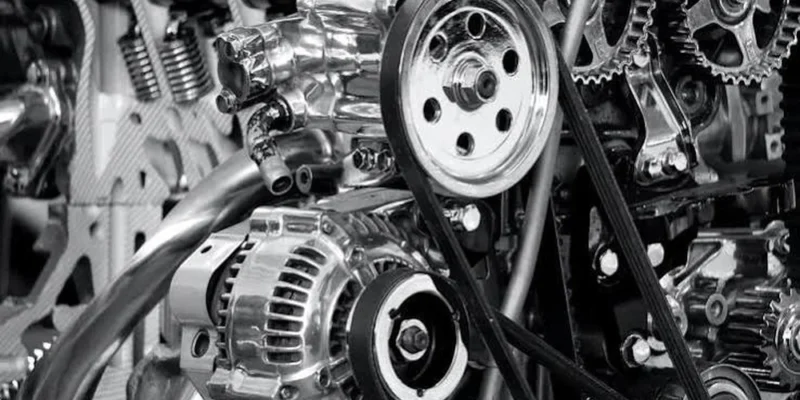
It’s tempting to treat engine parts as interchangeable, especially when a cheaper option is sitting right next to a pricier one on a shelf. But the quality of individual components has a real, measurable effect on how an engine performs and how long it actually lasts. Understanding why that quality matters so much makes it a lot easier to see past the sticker price and toward the bigger picture of long-term value.
This reality is especially true for modern powertrains, where precision-engineered engine components must function seamlessly under extreme operating temperatures and intense mechanical stress. Because every internal part-from pistons and valves to bearings and seals-relies on precise tolerances, even a microscopic defect can compromise the entire mechanical system. Investing in superior parts upfront ensures that the powertrain delivers optimal horsepower, maintains peak fuel efficiency, and avoids premature wear.
Quality Directly Shapes How Long an Engine Lasts
High-quality components are built to withstand heat, pressure, and constant movement far better than cheaper alternatives, and that durability adds up over the engine’s entire working life. Manufacturing tolerances matter here too, since parts machined to precise specifications fit together smoothly, while imprecise tolerances create excess friction that wears components down prematurely.
Poor Components Can Trigger a Chain Reaction of Failures
An engine’s parts don’t operate in isolation, they work together as a system, which means a single weak link can cause damage that spreads well beyond the original part. A worn gasket, for example, can lead to oil loss that then damages other components entirely, turning what should have been a small, inexpensive repair into a much larger and costlier one.
Materials Matter as Much as the Design Itself
Choosing components made from high-grade alloys, composites, or cast iron significantly improves an engine’s ability to absorb vibration and resist thermal stress over time. Corrosion-resistant finishes matter too, particularly in environments with regular moisture or chemical exposure, since even a well-designed part can fail prematurely if it’s made from the wrong material for its actual operating conditions.
The Cost of Cheap Parts Rarely Stays Small
A lower-priced component might look like the smarter choice upfront, but premium parts often last considerably longer and reduce the frequency of future repairs. Many owners end up waiting until a cheap part fails completely before replacing it, at which point the resulting damage to surrounding components frequently costs far more than the money saved on the original purchase.
Compatibility Is Just as Important as Raw Quality
Even a genuinely well-made component can cause problems if it isn’t actually the right fit for a specific engine’s year, make, model, and configuration. Confirming exact compatibility before installation matters just as much as the part’s inherent quality, since a mismatched component, however well built, can still create the same kinds of stress and premature wear as an outright inferior one.
Conclusion
Quality engine components aren’t just a matter of preference, they directly determine how reliably an engine performs and how much a person ends up spending over its lifetime. From precise manufacturing
tolerances to the right choice of material, the small details in a component’s construction shape outcomes that show up years down the road. Prioritizing quality over the lowest available price tends to pay for itself many times over by the time an engine reaches the end of its working life.







Comments